

Adam Stark
Pickle Up Academy
Every competitive pickleball player will tell you the same thing: the dink wins games. It is the soft, controlled shot that lands in your opponent's kitchen and turns defense into offense. Master it and you will beat players who hit harder than you every single time.
What Is a Dink?
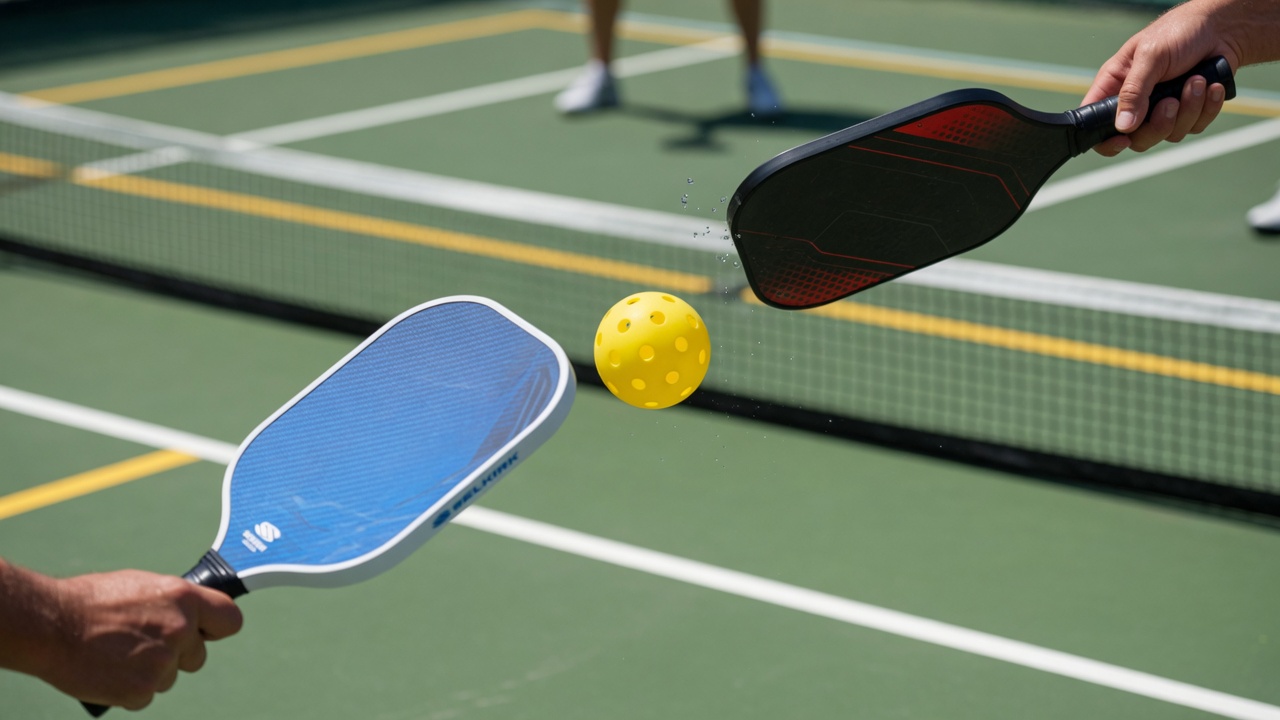
A dink is a soft shot hit from near the kitchen line that arcs gently over the net and lands in the opponent's non-volley zone (kitchen). Unlike a drive or smash, the dink is not about power — it is about placement, touch, and patience. The goal is to keep your opponent at the kitchen line and force them to hit upward, creating an opportunity for you to attack.
The Technique
Good dinking starts with your paddle position and grip:
- 1 Continental grip. Hold the paddle as if you are shaking hands with it. This neutral grip allows you to dink on both forehand and backhand without changing hand position.
- 2 Paddle out front. Keep your paddle up and in front of your body, roughly at chest height. Your paddle should always be between you and the net.
- 3 Soft hands, short backswing. The dink is a push, not a swing. Use a compact motion — no big backswing. Let the paddle absorb the ball's energy and gently push it back over the net with just enough height to clear by a few inches.
- 4 Target the kitchen corners. Aim deep into the kitchen, ideally toward the sideline or the middle of the court. A dink that lands short in the kitchen is easy to attack.
Why the Dink Is So Effective
The dink neutralizes power players. When you consistently land soft shots in the kitchen, your opponents cannot take aggressive swings because the ball is below the net height when they make contact. They are forced to dink back, and that is where the chess match begins. The player with the better dink game controls the rally and waits for the right moment to attack.
Drills to Improve Your Dink
Here are three drills Adam uses in lessons to build a reliable dink game:
- Cross-court dinking. Stand at the kitchen line with a partner and dink only cross-court. This simulates the most common dink pattern in doubles and forces you to control angle and depth.
- Kitchen corner targets. Place two cones in the deep corners of the kitchen. Dink to each cone alternately. The goal is to hit the cone or land within one foot of it, ten times in a row.
- Pressure dinking. Play to 11, but you can only score on dinks (no drives allowed). This forces you to stay patient and builds the mental discipline to dink under pressure.
Need help with your dink?
Adam breaks down dink technique in one-on-one sessions with targeted drills that build muscle memory fast. Book a lesson and feel the difference.
Book a Lesson →